

Pasta seems like the easiest thing to cook, right? Just throw some noodles in boiling water and wait. Except most of us mess it up more often than we’d like to admit. Maybe your spaghetti comes out mushy, or your penne sticks together in clumps, or the sauce just slides right off instead of coating the pasta nicely. The truth is, there are several common mistakes people make when cooking pasta that can turn what should be a simple weeknight dinner into something disappointing. Fixing these mistakes isn’t complicated, and once you know what to look out for, you’ll get perfect pasta every single time.
Adding pasta before the water actually boils
When you’re hungry and in a hurry, waiting for a pot of water to boil feels like forever. It’s tempting to toss the pasta in when you see just a few bubbles starting to form on the bottom of the pot. This is actually one of the worst things you can do. When pasta goes into water that isn’t at a full, rolling boil, it doesn’t cook properly. The temperature drops immediately, and the pasta just sits there absorbing water unevenly instead of cooking through at the right pace.
The boiling water does more than just heat the pasta. It keeps the noodles moving around so they don’t stick together, and it sets the starches properly so you get that perfect texture. If you add pasta to cold or lukewarm water, you’ll end up with gummy, sticky noodles that clump together. The salt won’t dissolve and distribute evenly either, which means bland pasta with weird spots of saltiness. Wait for a proper rolling boil with big bubbles constantly breaking the surface. If you want to speed things up, put a lid on the pot while the water heats.
Using a pot that’s way too small
Grabbing whatever pot is clean and convenient might seem fine, but pasta needs room to move around. When you cram a pound of pasta into a small pot, the water temperature drops significantly as soon as you add the noodles. This stalls the cooking process and throws off your timing completely. Plus, crowded pasta sticks together because there isn’t enough water to keep the noodles separated and moving freely. The starch that releases from the pasta gets concentrated in a smaller amount of water, making everything gummy and sticky.
As a general rule, you need about one liter of water for every 100 grams of pasta. For a standard one-pound box, that means using a pot that holds at least six to eight quarts. Fill it about three-quarters full to give the pasta enough space to cook properly. If you’re making long pasta like spaghetti or fettuccine, you also need a tall pot so the noodles can be fully submerged. This might seem like overkill, but it makes a huge difference in the final result. Your pasta will cook more evenly and come out with the right texture instead of being mushy on the outside and hard in the center.
Getting the salt amount completely wrong
Some people barely add any salt to their pasta water, thinking they can just season the sauce instead. Others dump in way too much and end up with pasta that tastes like the ocean. Both approaches are wrong. Salt doesn’t just add taste to the surface of the pasta. It actually gets absorbed into the noodles as they cook, seasoning them from the inside out. This is something you can’t fix later by adding salt to your sauce. Unsalted pasta tastes flat and bland no matter what you put on it.
The right amount is about 10 grams of salt per liter of water, which works out to roughly one to two tablespoons of salt for a large pot. This might seem like a lot, but remember that the pasta doesn’t absorb all of it. Most of the salt stays in the water that you’ll drain away. The salt also does more than just add taste. It affects the texture of the pasta by stabilizing the starch molecules, which gives you better structure and that perfect bite. If your sauce is already really salty, like a dish with anchovies or capers, you can use slightly less salt in the water. But never skip it entirely.
Never stirring the pasta while it cooks
Lots of people think you can just dump pasta in the water, walk away, and come back when the timer goes off. This is how you end up with a giant clump of noodles fused together. Pasta releases starch as soon as it hits the hot water, and this starch acts like glue if the noodles are touching each other. The first minute or two after you add pasta to the pot is the most critical time. Without stirring, the noodles will stick together before they have a chance to cook properly.
You don’t need to stand there stirring constantly for the entire cooking time. Just give the pasta a good stir immediately after adding it to the boiling water, then stir occasionally throughout the cooking process. Use a long spoon or pasta fork to gently separate any noodles that are sticking together. This is especially important for long, thin pasta like angel hair or linguine, which clumps together more easily than short shapes. Some people add oil to the water thinking it will prevent sticking, but this doesn’t actually work. The oil just floats on top of the water and doesn’t do anything except make your pasta slippery so sauce won’t stick to it later.
Overcooking the pasta into mush
Mushy, overcooked pasta is one of the most common problems, and it happens when people trust the package directions without actually tasting the pasta. Those cooking times are guidelines, not exact rules. Your stove might run hotter or cooler than average, your pot might be bigger or smaller, or your altitude might affect cooking time. The only reliable way to know when pasta is done is to fish out a piece and bite into it. Properly cooked pasta should be al dente, which means tender but with a slight firmness when you bite down.
Start testing the pasta about two minutes before the package says it should be done. Take out a piece, let it cool for a second, then bite into it. If it’s hard or chalky in the center, it needs more time. If it’s completely soft with no resistance at all, you’ve already overcooked it. The perfect moment is when there’s just a tiny bit of firmness left in the center. If you’re planning to toss the pasta with sauce in a pan after draining, pull it even earlier, about two minutes before it’s fully done. The pasta will continue cooking in the hot sauce, and this method actually helps the sauce stick better to the noodles.
Draining all the pasta water down the sink
Most people drain pasta by dumping everything straight into a colander in the sink, letting all that starchy cooking water disappear down the drain. This is a huge waste of one of the most useful ingredients for making your pasta dish better. That cloudy cooking water is full of starch that dissolved off the pasta, and it’s perfectly seasoned with the salt you added earlier. This starchy water is basically liquid gold for creating smooth, creamy sauces that cling to your pasta instead of pooling at the bottom of the bowl.
Before you drain the pasta, scoop out at least a cup of the cooking water and set it aside. You can place your colander over a bowl or pot to catch the water as you drain, or just use a measuring cup or ladle to take some out before draining. When you’re mixing your pasta with sauce, add a splash of this starchy water to help everything come together. The starch acts as an emulsifier, helping oil-based sauces blend smoothly and making cream sauces silkier. If your sauce looks too thick or dry, add more pasta water a little at a time until you get the right consistency. This technique works with any type of sauce and makes a noticeable difference in how well the sauce coats the pasta.
Skipping the step of finishing pasta in the sauce
The standard approach most people use is to drain the pasta completely, dump it in a bowl or on a plate, then spoon sauce over the top. This is why the sauce often slides off the pasta and puddles at the bottom instead of coating each noodle evenly. Restaurant-quality pasta doesn’t happen by accident. Professional cooks almost always finish their pasta in the pan with the sauce, and this simple extra step makes a massive difference in how the final dish turns out.
Here’s how it works: drain your pasta when it’s still slightly underdone, then immediately add it to a pan where your sauce is already hot. Toss everything together over medium heat for a minute or two, adding some of that reserved pasta water to help the sauce coat the noodles. The pasta finishes cooking in the sauce, which means it absorbs the sauce’s taste instead of just being covered by it. The starch on the outside of the pasta helps bind the sauce to each noodle. This technique works for any kind of sauce, from simple marinara to cream-based dishes to oil and garlic. The result is pasta where every bite has sauce perfectly distributed instead of being dry on top with a pool of sauce underneath.
Rinsing the pasta after draining it
Running cold water over pasta right after draining seems like it would help stop the cooking and prevent the noodles from sticking together. This might make sense for pasta salad, but for hot pasta dishes, rinsing is actually counterproductive. When you rinse pasta, you wash away all the surface starch that helps sauce stick to the noodles. This is the same starch that makes pasta water so useful for finishing sauces. Without it, your carefully made sauce will just slip right off the pasta instead of clinging to it.
For hot pasta dishes, never rinse. Just drain the pasta and immediately mix it with your sauce while it’s still steaming hot. If you’re making pasta salad or need to cool pasta for another reason, rinsing is acceptable, but there’s a better method. Instead of rinsing, spread the drained pasta on a baking sheet, drizzle it lightly with olive oil, and let it cool at room temperature for about 30 minutes. Then finish cooling it in the refrigerator. This preserves some of that useful surface starch while preventing the noodles from sticking together in one giant mass. The small amount of oil creates a barrier between noodles without completely coating them the way rinsing with water would.
Ignoring how cooking time changes with altitude
If you’ve recently moved to a mountainous area and your pasta keeps coming out wrong even though you’re following the same recipe you always used, altitude is probably the culprit. Water boils at a lower temperature at higher elevations, which means your pasta is cooking at a lower temperature than the package directions assume. This isn’t something most people think about, but it can add several minutes to your cooking time. A recipe that takes 10 minutes at sea level might need 13 or 14 minutes in Denver or other high-altitude cities.
The solution is simple: ignore the package directions and rely on testing the pasta by tasting it. Start checking a few minutes before the suggested time, and keep testing every minute or so until the texture is right. This advice works anywhere, not just at high elevations. Package directions are estimates based on average conditions, and your specific situation might be different. The pasta is done when it tastes done to you, not when a timer goes off. Keep in mind that fresh pasta cooks much faster than dried pasta regardless of altitude, usually in just two to four minutes, so watch it carefully if you’re using fresh noodles.
Getting pasta right isn’t complicated once you know what mistakes to avoid. Use enough water in a big pot, wait for a real rolling boil before adding the pasta, salt the water properly, and stir occasionally to prevent sticking. Taste the pasta to check doneness instead of blindly following package times, save some of that starchy cooking water, and finish the pasta in the sauce for the best results. These simple changes will transform your pasta from mediocre to restaurant-quality without any extra effort or fancy ingredients.
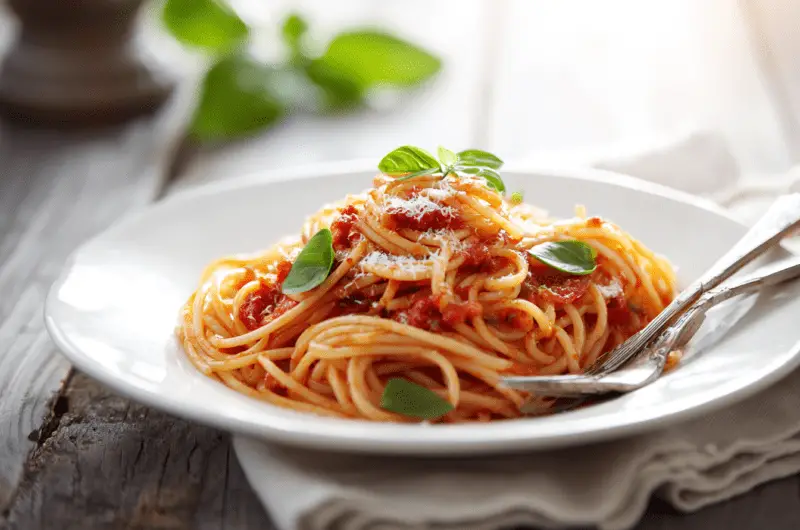
Perfect Al Dente Spaghetti with Marinara
Course: DinnerCuisine: Italian4
servings10
minutes15
minutes420
kcalMaster the art of cooking pasta with this foolproof recipe that delivers perfectly cooked spaghetti every single time.
Ingredients
1 pound dried spaghetti
6 quarts water
2 tablespoons kosher salt
3 cups marinara sauce
3 tablespoons olive oil
4 cloves garlic, minced
Fresh basil leaves for garnish
Grated Parmesan cheese for serving
Red pepper flakes (optional)
Directions
- Fill a large 8-quart pot with 6 quarts of water and place it over high heat with the lid on. Wait until you see a full rolling boil with large bubbles constantly breaking the surface before proceeding. This should take about 12-15 minutes depending on your stove.
- Once the water reaches a rolling boil, add 2 tablespoons of kosher salt and stir until dissolved. Add the entire pound of spaghetti to the pot, pushing it down gently as it softens if needed. Immediately stir the pasta thoroughly to separate all the strands and prevent sticking.
- Continue cooking the pasta, stirring every 2-3 minutes to keep the noodles separated. After 8 minutes, begin testing the pasta by removing a strand, letting it cool briefly, and biting into it. The pasta is ready when it’s tender with just a slight firmness in the center.
- Before draining, use a measuring cup or ladle to scoop out and reserve 1 cup of the starchy pasta cooking water. Drain the pasta in a colander but do not rinse it. The starch coating on the pasta will help the sauce stick properly.
- While the pasta cooks, heat the olive oil in a large skillet or wide pan over medium heat. Add the minced garlic and cook for about 1 minute until fragrant but not browned. Pour in the marinara sauce and bring to a gentle simmer.
- Add the drained pasta directly to the pan with the sauce. Use tongs to toss everything together, coating all the spaghetti strands with sauce. Add 1/4 cup of the reserved pasta water and continue tossing for 1-2 minutes over medium heat.
- If the sauce seems too thick or dry, add more pasta water a tablespoon at a time until you achieve a glossy, smooth consistency that coats the pasta without pooling at the bottom. The sauce should cling to each strand of spaghetti.
- Remove from heat and divide the pasta among serving bowls. Top with fresh basil leaves, grated Parmesan cheese, and red pepper flakes if desired. Serve immediately while the pasta is hot and the sauce is creamy.
Notes
- The key to perfect pasta is using a large pot with plenty of water. Don’t try to make a full pound of pasta in a small pot or you’ll end up with sticky, unevenly cooked noodles.
- Always taste the pasta to check doneness rather than relying solely on package directions. Every stove and pot is different, so the suggested cooking time is just a starting point.
- Reserving pasta water is crucial for getting restaurant-quality results. The starchy water helps create a silky sauce that coats the pasta perfectly instead of sliding off.
- Finishing the pasta in the sauce for a minute or two allows the noodles to absorb the sauce’s taste and helps everything bind together properly.
- This method works with any pasta shape and any sauce. Just adjust the cooking time based on the type of pasta you’re using and always test for doneness by tasting.
Frequently asked questions about cooking pasta
Q: Should I add oil to the pasta water to prevent sticking?
A: No, adding oil to pasta water doesn’t actually prevent sticking because oil floats on top of the water and doesn’t coat the pasta while it cooks. The oil can actually make your pasta slippery so sauce won’t stick to it later. Instead, use plenty of water in a large pot and stir the pasta occasionally, especially during the first minute or two after adding it to the pot. This is the most effective way to keep noodles from sticking together.
Q: How do I know when pasta is al dente?
A: Al dente pasta should be tender enough to chew comfortably but still have a slight firmness when you bite into it. The center shouldn’t be hard or chalky, but there should be just a tiny bit of resistance. Start testing the pasta two minutes before the package directions say it should be done by removing a piece, letting it cool briefly, and biting into it. Trust your taste rather than the timer.
Q: Can I cook pasta ahead of time and reheat it later?
A: Yes, but don’t rinse the cooked pasta with water. Instead, drain it when it’s slightly underdone, toss it lightly with olive oil, and spread it on a baking sheet to cool for 30 minutes before refrigerating. When you’re ready to use it, you can drop it back into boiling water for 30-60 seconds to reheat, or add it directly to hot sauce and let it warm through while tossing.
Q: Why does my sauce always end up watery and separated from the pasta?
A: This happens when you don’t use pasta water to help bind the sauce to the noodles. Always save at least a cup of the starchy cooking water before draining, then add some of it to your sauce when tossing with the pasta. The starch acts as an emulsifier that helps the sauce coat the pasta evenly and creates a creamy consistency. Also, try finishing your pasta in the pan with the sauce for a minute or two rather than just pouring sauce over drained noodles.