

Most fast-food chicken is dry and chewy, but somehow Chick-fil-A manages to serve up tender, juicy chicken every single time. Walk into any location and order their famous sandwich, and the chicken breast will be so moist and perfectly seasoned that it’s hard to believe it came from a fast-food kitchen. The secret isn’t just in the cooking method or the breading recipe. There are actually several factors working together to create that signature tender texture everyone loves. From how the chickens are raised to what happens before they hit the fryer, each step plays a crucial role in delivering that consistently delicious bite.
The pickle juice soaking method changes everything
Ever wonder why pickle juice makes chicken so tender? While Chick-fil-A has never officially confirmed it, many employees and food experts believe the chicken gets a pickle juice bath before cooking. This isn’t just some random kitchen trick either. Pickle juice contains salt and vinegar, which work together to break down proteins in the meat. When chicken soaks in this salty liquid, even for just an hour, the brine penetrates deep into the muscle tissue. This process helps the meat hold onto moisture during cooking, preventing that dry, stringy texture nobody wants in their sandwich.
The science behind this method is pretty simple but effective. Salt causes some proteins in chicken breast to unwind and form a gel that traps water molecules. When heat hits the meat during cooking, this trapped moisture stays put instead of evaporating away. The vinegar adds another benefit by helping tenderize the muscle fibers themselves. This double action means the chicken stays moist and becomes easier to bite through. Some former employees on Reddit have mentioned the pickle juice brine was definitely used in the past, though recipes may have changed over the years. Either way, brining chicken in pickle juice works wonders at home too.
Pressure cooking makes the chicken extra moist
When founder Truett Cathy first started making chicken sandwiches, he faced a problem that nearly stopped him from adding chicken to the menu. Regular frying took way too long during the busy lunch rush, and customers didn’t want to wait around. His mother had a clever trick for cooking chicken faster using a pan with a tight-fitting lid that trapped steam. Cathy took this concept and bought commercial pressure cookers for his restaurants. These machines could cook a chicken breast completely in just four minutes while keeping all the moisture locked inside the meat.
Pressure cooking works differently than regular frying because the sealed environment traps steam and increases pressure inside the cooker. This higher pressure raises the boiling point of water, meaning the chicken cooks at a higher temperature without drying out. The trapped moisture has nowhere to escape, so it gets forced back into the meat. The result is chicken that’s fully cooked but still incredibly juicy. Most other fast-food chains use regular fryers that expose the chicken to open air, letting moisture evaporate away. This cooking method gives Chick-fil-A a significant advantage in keeping their chicken tender and moist every single time.
Real whole chicken breasts make a big difference
Not all chicken sandwiches start with the same quality of meat. Some fast-food restaurants use chicken products made from multiple parts of the bird ground together and formed into shapes. Chick-fil-A takes a different approach by using only real, whole chicken breasts that aren’t separated or processed. Each piece of chicken is hand-cut before it goes through the breading and cooking process. This means every sandwich contains an actual breast fillet, not a reformed patty. Starting with higher quality meat gives them a head start on texture and taste before any seasoning or cooking happens.
The chickens themselves also meet strict standards set by the company. Since 2019, Chick-fil-A committed to using chickens raised without any antibiotics. This “No Antibiotics Ever” policy means the birds never receive antibiotics during their entire lives. If a chicken does need antibiotics to treat an illness, that bird won’t be used for Chick-fil-A meat. This practice produces healthier chickens with better quality meat. Whole chicken breasts naturally have more moisture and better texture than processed alternatives. They also respond better to brining and pressure cooking methods because the muscle structure is intact.
The secret breading has over 20 seasonings
Truett Cathy spent years experimenting with different seasoning combinations before landing on the perfect blend. That original recipe from the 1960s is still used today, more than 50 years later. The exact ingredients remain locked in a vault at Chick-fil-A headquarters in Atlanta, making it one of the food industry’s best-kept secrets. What the company does confirm is that the breading mixture contains more than 20 different seasonings. This complex blend gives the chicken its distinctive taste that fans recognize immediately. The seasonings work together to create layers of subtle spices without any single ingredient overpowering the others.
Before the seasoned flour coating goes on, each chicken breast gets dipped in an egg and milk wash. This wet mixture helps the breading stick to the meat and creates a barrier that seals in moisture during cooking. The combination of egg proteins and milk adds another layer of tenderness to the finished product. Some people compare Chick-fil-A’s secret recipe to KFC’s famous blend of 11 herbs and spices. Both companies guard their formulas carefully because the right seasoning mix is what sets their chicken apart from competitors. Many copycat recipes exist online, but none quite match the original taste and texture.
Peanut oil keeps the chicken light and crispy
The type of oil used for cooking makes a bigger difference than most people realize. Cathy chose 100% refined peanut oil for his pressure cookers because it has a mild taste that doesn’t compete with the chicken’s seasoning. Many other fast-food chains use vegetable oil blends that can leave a slightly greasy or heavy aftertaste. Peanut oil has a high smoke point, meaning it can reach the high temperatures needed for frying without breaking down or producing off-flavors. This stability helps create that perfect golden-brown crust while keeping the inside tender and moist.
Refined peanut oil also has some unique properties that affect texture. It’s less dense than many other cooking oils, so fried foods come out lighter and less greasy. The oil penetrates the breading without making it soggy or heavy. After cooking, the chicken doesn’t feel weighed down by excess oil. This lighter texture lets the tender meat and crispy coating shine through. The neutral flavor profile means the carefully crafted seasoning blend takes center stage. Peanut oil has been part of the recipe since the beginning, and changing it would fundamentally alter what makes Chick-fil-A chicken taste the way it does.
The pickle chips add more than just crunch
Those two pickle slices sitting on top of the chicken aren’t just a garnish. They’re a carefully planned part of the sandwich that adds both flavor and moisture. Chick-fil-A makes their pickle chips by marinating cucumber slices for three full days before they’re ready to use. This extended marinating time creates pickles with a crisp texture and deep dill flavor. The pickles are placed strategically on the chicken to deliver a burst of tangy taste in every bite. That contrast between the warm, savory chicken and the cool, crispy pickles creates an interesting flavor combination.
Beyond taste, the pickles serve another purpose by adding extra moisture to the sandwich. As the warm chicken sits against the cold pickles, some of that pickle juice seeps into the meat and bun. This adds another layer of tenderness and keeps the sandwich from feeling dry. The acidity from the pickles also cuts through the richness of the fried chicken, making each bite feel balanced rather than heavy. Even people who normally don’t like pickles often admit they work perfectly on this sandwich. Two pickle chips might seem like a small detail, but they play a crucial role in the overall eating experience and contribute to that tender, juicy bite everyone loves.
The buttered bun holds everything together perfectly
Most people focus on the chicken, but the bun plays an important supporting role in the sandwich’s success. Chick-fil-A uses a soft white bun that gets toasted and buttered before assembly. This simple step makes a huge difference in both taste and texture. The butter adds richness that complements the seasoned chicken without overwhelming it. Toasting the bun creates a slightly crispy exterior that holds up better against the juicy chicken and pickles. Without toasting, a regular soft bun would get soggy within minutes from all that moisture.
The balance between soft and toasted is key here. Too much toasting would make the bun hard and difficult to bite through. Not enough toasting leaves it too soft to support the filling. Chick-fil-A hits that sweet spot where the bun has structure but still feels pillowy and light. The butter soaks into the bread slightly, adding another layer of flavor and helping seal the surface. This creates a barrier that slows down moisture absorption from the chicken. The toasted buttered bun might seem like a minor detail, but it’s essential for keeping the sandwich together and making sure every component works in harmony with the tender chicken at the center.
Hand-cutting and hand-breading ensures consistency
Automation might seem more efficient, but Chick-fil-A sticks with hand-cutting and hand-breading for good reason. When each chicken breast is cut by hand, employees can ensure the pieces are uniform in size and thickness. This consistency matters because it means every piece cooks at the same rate in the pressure cooker. If some pieces were thicker than others, they’d either be undercooked or the thinner ones would be overcooked and dry. Hand-cutting gives more control over the final product and helps maintain that signature tender texture across millions of sandwiches.
Hand-breading also creates a better coating than automated systems. When someone manually dips the chicken in the egg wash and presses it into the seasoned flour, the breading adheres more evenly. This creates that crispy exterior without bare spots or clumps of excess breading. The human touch allows for small adjustments based on each piece of chicken. Workers can make sure every inch gets covered properly and shake off any extra coating. This attention to detail might add a bit more time to the process, but it results in consistently tender chicken with perfectly crispy breading. The combination of quality ingredients and careful preparation methods sets Chick-fil-A apart from competitors who rely more heavily on automated systems.
Simple assembly lets the chicken shine
Some chicken sandwiches pile on lettuce, tomatoes, cheese, and multiple sauces. The original Chick-fil-A sandwich takes the opposite approach with just chicken, pickles, and a buttered bun. This simplicity isn’t laziness but rather confidence in the quality of the main ingredient. When the chicken is this tender and well-seasoned, it doesn’t need layers of toppings to hide behind. The minimal assembly lets each component play its role without competing for attention. The chicken provides savory richness, the pickles add tang and crunch, and the bun holds everything together with a touch of buttery sweetness.
This stripped-down approach also means the tender texture of the chicken becomes the star of the show. There’s nothing to distract from that first juicy bite or the way the meat stays moist all the way through. Cathy understood that when something is done really well, it doesn’t need fancy additions. The simplicity also makes the sandwich easy to eat without ingredients sliding around or falling out. Everything stays in place from first bite to last. Of course, Chick-fil-A now offers variations with lettuce, cheese, and different sauces for people who want more. But the classic original sandwich proves that sometimes less really is more when the foundation is this solid and the chicken is this perfectly tender and delicious.
The next time someone bites into a Chick-fil-A chicken sandwich, they’re experiencing the result of decades of careful recipe development and quality standards. From the pickle juice brine to the pressure cooking method, every step works together to create that signature tender, juicy chicken. These techniques aren’t magic, but they do require attention to detail and a commitment to using quality ingredients. Understanding what makes the chicken so tender might not get anyone through the drive-through line faster, but it does explain why people keep coming back for more.
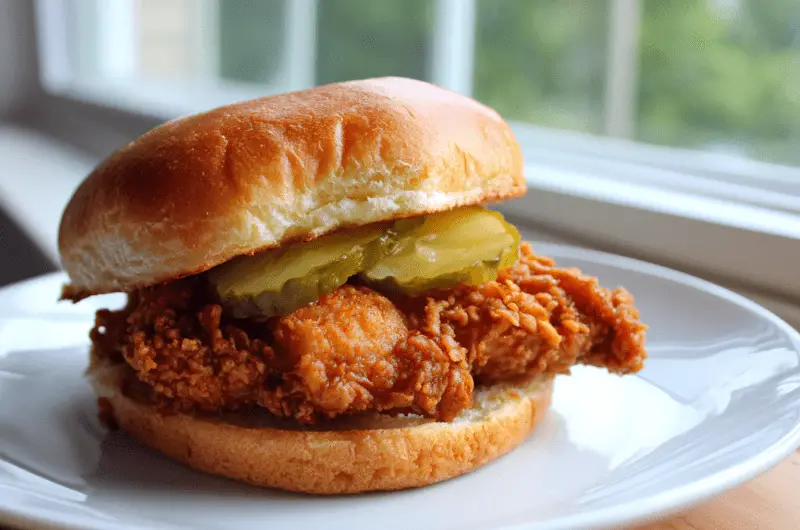
Copycat Chick-fil-A Tender Chicken Sandwich
Course: Lunch, DinnerCuisine: American4
servings20
minutes25
minutes440
kcalMake the famous tender, juicy chicken sandwich at home using the pickle juice brining method that creates restaurant-quality results.
Ingredients
4 boneless, skinless chicken breasts (about 6 ounces each)
2 cups dill pickle juice (from pickle jar)
1 cup whole milk
1 large egg, beaten
1½ cups all-purpose flour
2 tablespoons paprika
1 tablespoon garlic powder
1 tablespoon onion powder
2 teaspoons salt
1 teaspoon black pepper
½ teaspoon cayenne pepper
Peanut oil for frying (about 4 cups)
4 hamburger buns
2 tablespoons butter, softened
8 dill pickle chips
Directions
- Place the chicken breasts between two sheets of plastic wrap and pound them to an even ½-inch thickness using a meat mallet. This ensures the chicken cooks evenly and stays tender throughout. Transfer the flattened chicken breasts to a large zip-top bag or shallow dish. Pour the pickle juice over the chicken, making sure each piece is fully submerged in the brine.
- Seal the bag or cover the dish with plastic wrap and refrigerate for at least 2 hours, or up to 4 hours for maximum tenderness. The pickle juice will break down the proteins and infuse the meat with moisture and subtle dill flavor. Don’t marinate longer than 4 hours or the chicken may become too soft. After marinating, remove the chicken from the pickle juice and pat each piece completely dry with paper towels.
- In a shallow bowl, whisk together the milk and beaten egg until well combined. In a separate shallow dish, mix the flour with paprika, garlic powder, onion powder, salt, black pepper, and cayenne pepper. Stir the seasoning mixture thoroughly so the spices are evenly distributed throughout the flour. This seasoned flour creates the crispy, flavorful coating.
- Dip each chicken breast first into the egg and milk mixture, letting any excess drip off. Then press the chicken firmly into the seasoned flour mixture, coating both sides completely. Press the flour into the chicken to help it adhere better and create an even coating. Shake off any excess flour and place the breaded chicken on a wire rack. Let the breaded chicken rest for 5 minutes so the coating can set.
- Pour peanut oil into a large, heavy-bottomed skillet or Dutch oven until it’s about 1 inch deep. Heat the oil over medium-high heat until it reaches 350°F on a deep-fry thermometer. If you don’t have a thermometer, test the oil by dropping in a small piece of bread—it should sizzle and brown in about 60 seconds. Maintaining the right temperature is crucial for crispy chicken that isn’t greasy.
- Carefully place 2 chicken breasts into the hot oil, being careful not to crowd the pan. Fry for 4-5 minutes per side until the coating is deep golden brown and the internal temperature reaches 165°F. The chicken should be crispy on the outside and juicy inside. Use tongs to flip the chicken halfway through cooking, and adjust the heat if the coating is browning too quickly.
- Transfer the cooked chicken to a wire rack or paper towel-lined plate to drain. Repeat the frying process with the remaining 2 chicken breasts, making sure the oil returns to 350°F before adding them. While the chicken is resting, split the hamburger buns and spread butter on the cut sides. Toast the buns in a skillet over medium heat or under the broiler until lightly golden and crispy, about 2 minutes.
- Place one fried chicken breast on the bottom half of each toasted bun. Top each piece of chicken with 2 dill pickle chips, placing them strategically so you get pickle in every bite. Add the top bun and serve immediately while the chicken is still hot and crispy. The contrast between the warm chicken and cool pickles creates the perfect bite every time.
Notes
- For even more tender chicken, you can marinate it overnight in the refrigerator, but don’t exceed 8 hours total.
- If you don’t have peanut oil, vegetable or canola oil will work, though the taste won’t be quite as authentic.
- A pressure cooker or air fryer can be used instead of frying, though the texture will be slightly different from the original.
- Make sure to pat the chicken completely dry after brining or the breading won’t stick properly.
- Leftover pickle juice from any brand of dill pickles will work for this recipe.
Frequently asked questions
Q: Can I use regular vinegar instead of pickle juice for brining?
A: While plain vinegar will tenderize the meat, pickle juice works better because it contains salt and dill spices that add extra moisture and subtle flavoring. The combination of vinegar and salt in pickle juice creates a more effective brine that penetrates deeper into the chicken. Regular vinegar alone won’t season the meat as well.
Q: How long can I marinate chicken in pickle juice?
A: The ideal marinating time is 2-4 hours for tender, juicy results. Marinating less than 2 hours won’t give the brine enough time to work, while marinating longer than 8 hours can make the texture too soft and mushy. If you’re short on time, even 1 hour of brining will improve the chicken’s tenderness compared to no brining at all.
Q: Do I need a pressure cooker to make tender chicken like Chick-fil-A?
A: A pressure cooker helps lock in moisture, but you can still make very tender chicken without one. The pickle juice brine is the most important factor for tenderness. Regular frying, baking, or using an air fryer will all produce juicy chicken if you’ve brined it properly and don’t overcook it past 165°F internal temperature.
Q: Why does my breading fall off when I fry the chicken?
A: The chicken needs to be completely dry after brining for the coating to stick. Pat each piece thoroughly with paper towels before dipping in the egg wash. Also, let the breaded chicken rest for 5 minutes before frying so the coating can set. Make sure your oil is hot enough—at 350°F—so the breading crisps immediately instead of getting soggy.