

Most people fire up the grill every time they want a hot dog. It seems like the obvious choice, right? But here’s something most backyard cooks don’t realize — grilling is actually one of the worst ways to cook a hot dog. It dries them out, chars them unevenly, and honestly wastes a lot of what makes a good dog so great. There are easier, tastier methods that take less effort and deliver way better results every single time.
Why grilling dries out your hot dogs
Think about what happens when a hot dog sits on a grill. The high, direct heat hits it from one side while the other side just hangs out. The casing splits open, all the juicy goodness inside drips down into the flames, and what’s left is a wrinkly, dried-out tube that needs a mountain of toppings to taste like anything. Most people rotate the dog constantly to avoid this, but it still doesn’t fix the core problem. The grill just pulls too much moisture out too fast.
Executive Chef Fred Maurer, who earned the nickname “Hot Dog Boyfriend” while working at Dickson’s Farmstand Meats in New York, puts it pretty simply. His rule? A hot dog should be boiled or griddled with butter — never grilled. That’s a strong stance from someone who has made hot dogs a huge part of his career. When a chef who’s known for hot dogs tells people to stop grilling them, it’s probably worth listening to. The grill has its place, but it’s not on this particular menu.
Griddling with butter is the best swap
If grilling is out, what’s the move? A flat pan or griddle and some butter. That’s it. The idea is simple — split the hot dog down the middle lengthwise, heat up a pan over medium-high heat, drop in a tablespoon of butter, and lay the dog cut-side down. The butter sizzles around it, the flat surface creates even browning, and in about three minutes there’s a gorgeous golden crust on the inside of that dog. It’s fast, easy, and doesn’t require any special equipment at all.
After the cut side gets nice and brown, flip it over and sear the rounded outside for another minute or two. Add another small dollop of butter when flipping. The result is a hot dog that’s crispy on the outside but still juicy and snappy on the inside. This is how they do it at NoMad Diner, and honestly, once anyone tries it at home, the grill starts collecting dust. A cast iron skillet or any heavy pan works perfectly for this.
Splitting the dog makes a huge difference
This might seem like a small detail, but cutting the hot dog in half lengthwise before cooking changes everything. When the inside of the hot dog touches that hot buttery pan, it creates way more surface area for browning. Instead of a round dog that rolls around and only gets color in thin strips, the flat cut side sits flush against the pan and develops an even, caramelized crust. That crust adds so much to each bite, and it’s something a regular grilled dog just can’t match.
There’s also a practical bonus here. A split hot dog sits flat inside the bun instead of rolling around. Ever tried to put mustard on a round hot dog in a bun and had the whole thing spin? That problem disappears completely. The flat side nestles right into the bun and stays put, making it easier to load up with toppings. It’s one of those tricks that seems obvious once someone points it out, but most people have never actually tried it at home.
Use another pan as a weight
Here’s a little trick that takes the griddled hot dog from good to great. After placing the split dog cut-side down in the butter, press another pan on top of it. This works like a smash burger technique — the weight pushes the entire flat surface firmly against the hot pan, so every bit of it gets contact and browns evenly. Without the weight, the dog can curl up slightly from the heat, and some spots won’t get that beautiful golden crust.
Any heavy pan works for this. A cast iron skillet is ideal because it’s naturally heavy, but even a regular saucepan with some weight to it does the job. Just set it on top and let it sit there for about three minutes while the cut side sears. There’s no need to press down hard or anything — just let gravity do the work. This one small step makes a noticeable difference in how the finished hot dog looks and tastes.
Don’t forget to toast the bun too
A soft, floppy bun is fine, but a toasted bun takes the whole thing up a level. Once the hot dogs come out of the pan, there’s still butter and rendered fat left behind. Spread a little extra butter on the inside of each bun, then lay them open-face down in that same warm pan. In about 30 seconds to a minute, the buns get toasty, golden, and slightly crispy. They hold up better against toppings and don’t fall apart halfway through eating.
This is one of those steps that restaurants always do but home cooks almost never think about. A cold bun soaks up moisture from the toppings and gets soggy fast. A toasted bun creates a slight barrier that keeps everything together longer. Plus, that buttery crunch adds something special to every bite. It takes almost no extra time since the pan is already hot and ready to go. There’s really no reason to skip this step once it becomes part of the routine.
Simple toppings let the dog shine
When a hot dog is cooked this well, it doesn’t need a pile of crazy toppings to taste amazing. Chef Maurer says his preference is more about the dog itself than the fillings. At NoMad Diner, they keep it clean with Kewpie mayo and crispy shallots. Kewpie is a Japanese-style mayonnaise that’s richer and a bit tangier than regular mayo, and it pairs really well with the buttery, crispy crust on a griddled dog. Crispy shallots add a nice crunch without overwhelming anything.
Of course, nobody’s saying mustard and ketchup are off the table. Classic yellow mustard, a good relish, or some diced onions all work great. The point is just that the griddled dog itself carries a lot of the weight, so there’s no need to bury it under chili, cheese, and six other things. Sometimes less really is more. Pick two or three toppings max, and let the quality of the cooking speak for itself. That said, nobody’s judging anyone who still wants to pile it high.
Boiling still works if butter isn’t an option
Not every situation calls for a pan and butter. Sometimes the simplest approach is best, and boiling a hot dog is about as simple as cooking gets. Fill a pot with water, bring it to a gentle boil, drop in the dogs, and let them cook for about five to seven minutes. They come out plump, juicy, and heated all the way through. Boiling doesn’t add any extra crispiness, but it also doesn’t dry out the dog the way grilling does. It’s a perfectly solid method.
Chef Maurer himself listed boiling as one of his two approved methods alongside griddling with butter. For feeding a crowd quickly, boiling is actually more practical. A big pot can handle a dozen hot dogs at once, while a pan can only fit a few. For a weeknight dinner with the kids or a quick lunch, boiling gets the job done in minutes with zero cleanup hassle. It might not be as fancy as the butter griddle method, but it’s reliable and always produces a good result.
The type of hot dog matters more than people think
Not all hot dogs are created equal. The cooking method is important, but starting with a good dog makes a big difference too. Natural casing hot dogs — the kind that snap when bitten into — tend to perform best with the griddle method. Brands like Nathan’s, Hebrew National, and Sabrett all make natural casing options that hold up well to the heat and develop a great crust. Skinless hot dogs work too, but they won’t have that same satisfying snap.
Beef hot dogs tend to have a stronger, meatier taste compared to pork or chicken blends. For the griddle method, a beef dog is usually the way to go because the richness of the butter complements the beefy taste really well. That said, any hot dog benefits from being cooked in butter on a flat surface. Even a basic store-brand pack from the grocery store turns into something special with this technique. The method elevates whatever dog gets thrown in the pan.
Why this works better for weeknight dinners
Here’s the thing about grilling — it requires setup. There’s charcoal to light or propane to check, grates to clean, and then the whole process of standing outside watching things cook. For a Tuesday night dinner, who wants to deal with all that? A pan on the stove takes about two minutes to heat up. The entire cooking process from start to finish is under ten minutes. There’s one pan to wash afterward. It’s so much simpler and faster than firing up a whole grill.
Hot dogs are supposed to be easy. That’s the whole point of them. They’re a quick meal that pretty much everyone loves, especially kids. The griddle method keeps that simplicity intact while making the end result taste noticeably better. No special skills are needed, no fancy equipment, and no outdoor setup. Just a pan, some butter, and five minutes. It’s the kind of weeknight shortcut that actually improves the meal instead of cutting corners. Once this becomes the go-to method, the grill won’t even come to mind.
Hot dogs don’t need to be complicated, and they definitely don’t need a grill to taste great. A pat of butter, a hot pan, and a few minutes of attention produce a better dog than most grills ever could. Whether griddled with a golden crust or boiled for a quick meal, there are smarter ways to cook this American classic. Next time hot dogs are on the menu, skip the grill and grab a skillet — the difference is hard to ignore once it’s been tasted.
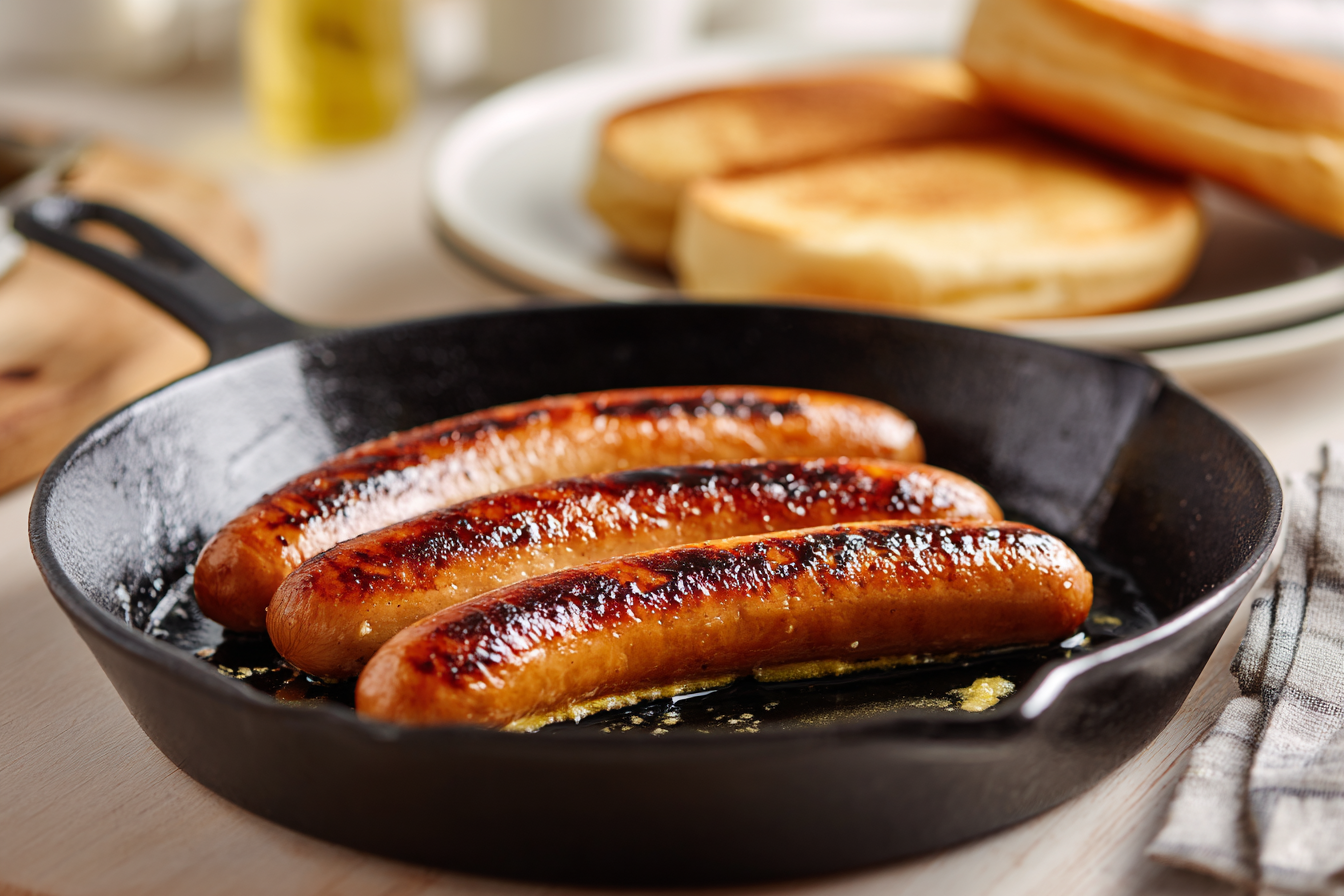
Butter-Griddled Split Hot Dogs
Course: LunchCuisine: American4
servings5
minutes8
minutes290
kcalThe secret hot dog method that’ll make you ditch the grill for good.
Ingredients
4 beef hot dogs (natural casing preferred)
3 tablespoons unsalted butter, divided
4 hot dog buns
Kewpie mayonnaise, for topping
Crispy fried shallots, for topping
Yellow mustard, for topping (optional)
Directions
- Take each hot dog and split it down the center lengthwise using a sharp knife. Cut almost all the way through but not completely, so the two halves stay connected. This creates a large flat surface that will brown evenly in the pan.
- Place a cast iron skillet or heavy pan over medium-high heat and let it warm up for about two minutes. The pan should be hot enough to immediately melt butter on contact. A properly preheated pan is key to getting a good sear.
- Add about 1 tablespoon of butter to the hot pan and let it melt and start to bubble. Swirl the pan gently to spread the butter across the cooking surface. The butter should be foamy but not yet browning.
- Place the split hot dogs cut-side down into the butter. Press them gently with another heavy pan or spatula to ensure full contact with the cooking surface. Let them cook without moving for about 3 minutes until the cut side is golden brown and caramelized.
- Flip each hot dog over so the rounded skin side is now facing down. Add another small dollop of butter (about 1 tablespoon total) to the pan. Sear the outside for 1 to 2 more minutes until lightly browned and the hot dog is heated through.
- Remove the hot dogs from the pan and set them aside on a plate. Spread a thin layer of butter on the inside of each hot dog bun. Place the buns butter-side down in the same pan and toast for 30 seconds to 1 minute until golden and slightly crispy.
- Place each griddled hot dog cut-side up inside a toasted bun. The flat surface should nestle nicely into the bun without rolling around. This makes it much easier to add toppings.
- Top with a drizzle of Kewpie mayonnaise and a sprinkle of crispy fried shallots, or add yellow mustard and any other preferred toppings. Serve immediately while everything is still warm and the bun is still crispy.
Notes
- Natural casing hot dogs like Nathan’s or Hebrew National give the best snap and hold up well to griddling, but any hot dog works with this method.
- Use a cast iron skillet for the best heat retention and sear. If using a nonstick pan, reduce the heat slightly to medium so the butter doesn’t burn too quickly.
- Crispy fried shallots can be found pre-made in most grocery stores near the salad toppings or Asian food aisle. They add a great crunch without any extra cooking.
Frequently Asked Questions
Q: Can I use a nonstick pan instead of cast iron for griddling hot dogs?
A: Absolutely. A nonstick pan works just fine for this method. The only difference is that cast iron holds heat better, which gives a slightly crispier sear. If using nonstick, keep the heat at medium rather than medium-high so the butter doesn’t burn too fast. The results will still be much better than grilling.
Q: Do I have to split the hot dog, or can I cook it whole in butter?
A: Cooking a whole hot dog in butter still tastes better than grilling, but splitting it is what really makes this method special. The flat cut side creates a large surface for browning, which gives that amazing caramelized crust. Without splitting, the round dog just rolls around and doesn’t get as much even contact with the pan.
Q: What kind of butter should I use for griddling hot dogs?
A: Regular unsalted butter works great. Salted butter is fine too, but keep in mind that hot dogs are already pretty salty on their own. Some people like to use a mix of butter and a little cooking oil to prevent the butter from burning at higher heat, but straight butter on medium-high heat works perfectly for the short cooking time involved.
Q: How many hot dogs can I cook at once in a pan?
A: It depends on the size of the pan. A standard 12-inch skillet can usually fit about 4 split hot dogs at a time without crowding. Avoid packing too many in at once because they need full contact with the pan surface to get a proper sear. For larger batches, cook them in rounds and keep finished dogs warm on a plate covered loosely with foil.