

Plain rice seems like the simplest thing to make, but it often ends up tasting like nothing at all. You cook it, drain it, and serve it alongside your dinner, only to realize it’s just bland filler on the plate. What if there was an incredibly easy way to transform that boring rice into something people actually want to eat? The answer is simpler than you think, and you probably already have everything you need sitting in your pantry right now.
Why chicken broth makes rice taste amazing
The secret to making rice that actually has taste is swapping out the water for chicken broth. When you cook rice in plain water, the grains absorb nothing but moisture. They get soft and fluffy, but there’s no taste. Chicken broth changes everything because it’s packed with herbs, spices, and savory goodness that soaks right into every grain. Instead of eating flavorless rice, you get something that tastes rich and satisfying without any extra effort.
Andrea Vaughan, who founded Homemade for Elle, says this swap is perfect for anyone who loves bold, salty taste. The broth adds depth without requiring you to do anything complicated or spend more time cooking. It’s literally the same process as making regular rice, just with a better liquid. Plus, chicken broth adds protein, vitamins, and minerals to your meal, making it more filling and nutritious. If you’re vegetarian or just don’t want to use chicken, vegetable broth works exactly the same way and still gives you tons of taste.
How to cook rice with chicken broth
Making rice with chicken broth is just as easy as making it with water. Start by adding your rice to a pot, but instead of pouring in plain water, use chicken broth or toss in a stock cube. The ratio stays exactly the same as what’s written on your rice package, so you don’t need to worry about measuring differently. Bring the broth to a boil, then give the rice a good stir to make sure nothing sticks to the bottom of the pot.
Once it’s boiling, put the lid on and turn the heat down to a simmer. Let it cook for about 15 to 20 minutes, or whatever your package directions say. The rice will soak up all that savory broth and become tender and full of taste. When it’s done, fluff it with a fork and serve. That’s literally all there is to it. You haven’t added any extra steps or complicated techniques, but your rice will taste like you put in way more effort than you actually did.
Adding butter makes it even better
If you want to take your rice to the next level, throw in a little butter while it’s cooking. Butter coats each grain and makes the rice creamier and fluffier. The fat from the butter keeps the grains from sticking together too much, giving you that perfect texture where each piece is separate but still soft. Just a tablespoon or two is enough to make a noticeable difference without making the rice feel greasy or heavy.
You can also add other ingredients like minced garlic or fresh rosemary to the pot while the rice cooks. These extras will infuse even more taste into your rice without requiring any fancy cooking skills. The butter and broth combo creates rice that’s rich, smooth, and way more interesting than anything you’d get from just using water. Once you try it this way, going back to plain water feels like a downgrade.
This works with any type of rice
Whether you’re making white rice, brown rice, basmati, or jasmine, cooking it in broth instead of water works every single time. The cooking process doesn’t change based on what kind of rice you’re using. You still follow the package directions for timing and liquid ratios, but you just use broth instead. Long-grain rice, short-grain rice, it doesn’t matter. The broth will soak in and make it taste better no matter what.
Some people worry that brown rice won’t absorb broth as well because it takes longer to cook, but that’s not true at all. Brown rice actually has more time to soak up all that savory goodness, so it ends up tasting even richer. Jasmine rice becomes fragrant and delicious, while basmati gets a nice savory kick. There’s no wrong rice to use with this method, so feel free to experiment with whatever you have in your pantry.
Other liquids that work surprisingly well
Chicken broth isn’t the only liquid that can upgrade your rice. Coconut milk gives rice a sweet, rich taste that pairs perfectly with curry or Thai dishes. You’ll usually want to mix coconut milk with water since it’s thick, but the result is creamy rice with a tropical vibe. Coconut water also works if you want a lighter coconut taste without the heaviness of milk.
White wine is another option that adds acidity and complexity. It’s commonly used in risotto, but it works great in regular rice too. Most of the alcohol evaporates while cooking, leaving behind a subtle tang that balances out richer dishes. Even adding a splash of vinegar to the cooking water can help make rice fluffier by breaking down excess starch. Tea is another surprising option that adds unique taste, especially if you use something like jasmine or ginger tea with jasmine rice.
Why people love this simple trick
Once people try cooking rice in broth, they rarely go back to using plain water. Andrea Vaughan says that friends and family always wonder how the rice turned out so tasty, even though it’s such a simple swap. The broth makes the rice moist and savory, and it feels like you put way more effort into dinner than you actually did. It’s an easy way to make a boring side dish into something people actually look forward to eating.
Plus, this trick doesn’t cost you any extra money or time. Chicken broth and stock cubes are cheap and have a long shelf life, so you can always keep them on hand. You’re not adding extra steps or complicated techniques. You’re literally just using a different liquid, and that one change makes a huge difference. It’s one of those cooking hacks that feels almost too easy, but it works every single time.
What to serve with broth-cooked rice
Rice cooked in chicken broth pairs well with just about anything. It’s especially good with roasted chicken, grilled vegetables, or stir-fried meat. The savory rice complements dishes that might otherwise be a little dry or bland on their own. It also works great under saucy dishes like curry or stew, where it soaks up all those delicious liquids and becomes even tastier.
If you’re making a meal that’s already pretty salty or heavily seasoned, you might want to use half broth and half water to keep things balanced. But for most everyday dinners, full-strength broth is perfect. The rice becomes a side dish that actually adds something to the meal instead of just being bland filler. People will notice the difference, and they’ll probably ask you what you did to make it taste so good.
Storing and reheating broth-cooked rice
Leftover rice cooked in broth stores just like regular rice. Put it in an airtight container and keep it in the fridge for up to four days. When you reheat it, the taste from the broth will still be there, so your leftovers won’t taste boring. You can reheat it in the microwave with a damp paper towel over the top to keep it from drying out, or warm it up in a pan with a splash of water or more broth.
Some people even prefer leftover broth-cooked rice because the taste has had time to soak in even more. It makes great fried rice too, since it’s already full of taste before you even add any other ingredients. Instead of throwing away boring leftover rice or choking it down because you don’t want to waste food, you’ll actually want to eat it. That’s the difference this simple swap makes.
Common mistakes to avoid
The biggest mistake people make is forgetting to adjust for the saltiness of their broth. Some store-bought broths are really salty, especially the concentrated ones. If you’re using a salty broth, you might want to skip adding any extra salt to your meal until you taste everything together. Otherwise, your rice could end up too salty, which isn’t fun for anyone. Low-sodium broth is a good option if you want more control over the final taste.
Another mistake is using way more liquid than you need because you think broth will absorb differently than water. It won’t. Use exactly the same amount of broth as you would water according to your rice package. Too much liquid makes mushy rice, and too little leaves it crunchy and undercooked. Follow the package directions, just swap the liquid, and you’ll be fine. Don’t overthink it or try to get fancy with measurements.
Rice doesn’t have to be boring anymore. Cooking it in chicken broth instead of water is one of the easiest ways to make a huge improvement without adding any extra work. The rice soaks up all that savory taste and becomes something you actually want to eat instead of just bland filler on your plate. Whether you’re making dinner for yourself or feeding a whole family, this simple trick turns ordinary rice into something worth looking forward to.
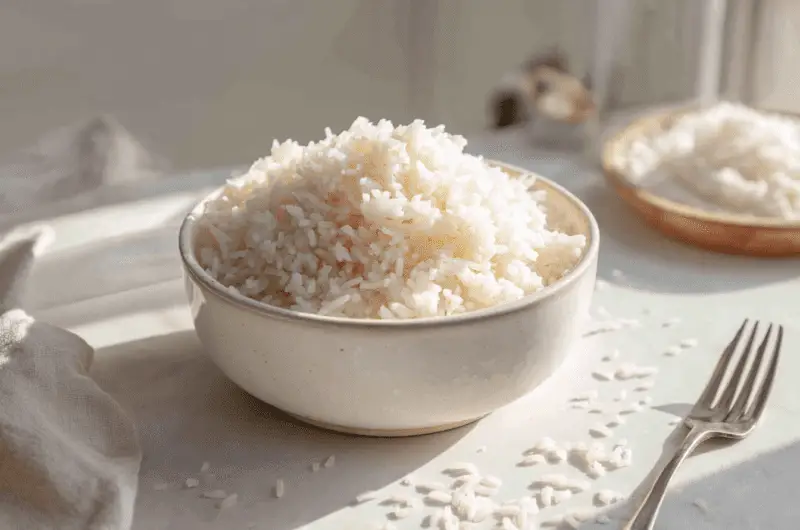
Chicken Broth Rice
Course: DinnerCuisine: American4
servings5
minutes20
minutes210
kcalTransform plain rice into something amazing by cooking it in savory chicken broth for rich taste in every bite.
Ingredients
1 cup white rice (uncooked)
2 cups chicken broth (or one stock cube dissolved in 2 cups water)
1 tablespoon butter (optional)
1 clove garlic, minced (optional)
1 teaspoon fresh rosemary, chopped (optional)
Pinch of black pepper (optional)
Directions
- Add the rice to a medium pot and pour in the chicken broth. If you’re using a stock cube, dissolve it in 2 cups of water first, then add to the pot. Make sure all the rice is submerged in the liquid.
- If you’re adding butter, garlic, or rosemary, toss them into the pot now. These extras will infuse the rice with even more taste as it cooks. Stir everything together briefly.
- Turn the heat to high and bring the broth to a rolling boil. Once it’s boiling, give the rice a good stir to prevent it from sticking to the bottom of the pot. Make sure to scrape the bottom gently.
- Put the lid on the pot and turn the heat down to the lowest setting. Let the rice simmer gently without lifting the lid. This allows the rice to steam properly and absorb all that savory broth.
- Let the rice cook for 15 to 20 minutes, or according to your package directions. Different types of rice have different cooking times, so check your package. Don’t peek under the lid during this time or you’ll let out the steam.
- Once the cooking time is up, remove the pot from the heat but keep the lid on. Let it sit for 5 minutes to finish steaming. This resting time helps the rice become perfectly fluffy and lets any remaining liquid get absorbed.
- Remove the lid and fluff the rice with a fork. Gently separate the grains so they don’t clump together. The rice should be tender, moist, and full of savory taste from the broth.
- Serve the rice immediately as a side dish with your favorite meal. It pairs especially well with roasted chicken, grilled vegetables, or anything with a sauce or gravy.
Notes
- If your broth is already salty, skip adding extra salt to your meal until you taste everything together. Some store-bought broths are very concentrated and can make the rice too salty if you’re not careful.
- For vegetarians, swap chicken broth with vegetable broth. It works exactly the same way and still gives you tons of savory taste without any meat.
- Leftover rice stores in the fridge for up to 4 days in an airtight container. Reheat it in the microwave with a damp paper towel on top, or warm it in a pan with a splash of broth or water.
- For a milder taste, use half broth and half water. This is especially good if you’re serving the rice with heavily seasoned dishes.
- This method works with any type of rice including brown rice, jasmine, basmati, or short-grain. Just follow the cooking times on your specific rice package.
Frequently asked questions
Q: Can I use beef broth instead of chicken broth?
A: Yes, beef broth works just as well and gives the rice a deeper, richer taste. It’s especially good when you’re serving the rice with beef dishes or stews. Just use the same amount as you would chicken broth and follow the same cooking method.
Q: Do I need to rinse the rice before cooking it in broth?
A: It depends on the type of rice and your preference. Rinsing removes excess starch and makes the rice less sticky, which some people prefer. If you like fluffier, separate grains, rinse the rice before adding the broth. If you don’t mind slightly stickier rice, you can skip this step.
Q: Will this work in a rice cooker?
A: Absolutely. Just add the rice and broth to your rice cooker instead of using water, then cook it according to your rice cooker’s instructions. The rice will turn out just as tasty and you don’t have to watch it on the stove.
Q: Can I freeze rice cooked in chicken broth?
A: Yes, this rice freezes well. Let it cool completely, then portion it into freezer bags or containers. It will keep for up to three months in the freezer. Reheat it straight from frozen in the microwave or thaw it in the fridge overnight first.