

Ever notice how some recipes just stick with people? Not the fancy ones from cookbooks or food magazines, but the ones passed down through families with little tweaks here and there. This Chicken Marbella falls into that category – it’s one of those dishes that sounds complicated but really isn’t, and once someone makes it, they become completely obsessed with sharing it with everyone they know.
Why this recipe keeps getting shared everywhere
The original Chicken Marbella came from The Silver Palate cookbook back in the 1980s, but this version has been tweaked and perfected by home cooks over the years. What makes it so special is the combination of sweet and savory ingredients that shouldn’t work together but absolutely do. Prunes, olives, capers, and brown sugar might sound like a weird mix, but they create this amazing sauce that makes everyone ask for the recipe.
The best part is how easy it actually is to make. Most of the work happens the night before when everything marinates together, so when dinner time comes around, all that’s left is sprinkling on some brown sugar and throwing it in the oven. This family version has been making rounds on social media because it proves that home cooks often improve on the classics just by cooking with love instead of precision.
The magic happens in the marinade overnight
Here’s where this recipe gets really smart – everything goes into one baking dish the night before. The chicken thighs soak up all those crazy good ingredients while sitting in the fridge, which means when cooking time comes, the hard work is already done. The prunes get plump and sweet, the olives add that briny punch, and the capers bring just enough saltiness to balance everything out.
The marinade itself is like a party in a pan. Red wine vinegar adds tang, white wine brings depth, and that brown sugar starts working its caramel magic even before hitting the oven. Some people worry about the combination being too weird, but trust the process – this dish has been winning over skeptics for decades. The overnight marinade is what transforms simple chicken thighs into something that tastes like it came from an expensive restaurant.
Castelvetrano olives make all the difference
Not all olives are created equal, and this recipe specifically calls for Castelvetrano olives for good reason. These green Italian olives are buttery, mild, and less salty than other varieties, which means they won’t overpower the dish. Regular black olives or even kalamata olives can make the whole thing too intense and salty, throwing off that perfect balance the recipe is known for.
Castelvetrano olives also hold their shape better during the long cooking process, so instead of turning into olive mush, they stay plump and add little bursts of richness throughout the dish. Most grocery stores carry them now, usually in the deli section or with the other specialty olives. They’re worth seeking out because they really do make the dish taste like the version everyone remembers and wants to recreate.
Brown sugar creates the perfect caramelized top
The secret to that gorgeous caramelized finish is the brown sugar that gets sprinkled on right before baking. Most of it goes into the marinade, but that final half cup on top is what creates the slightly crispy, sweet coating that makes this dish look like something from a food magazine. It’s the difference between chicken that looks homemade and chicken that looks restaurant-quality.
During the hour-plus baking time, that brown sugar mingles with the chicken juices and turns into this incredible glaze. It’s not overly sweet because all the other ingredients balance it out, but it adds just enough sweetness to make the dish feel special. Some people try to substitute white sugar or honey, but brown sugar has that molasses depth that really makes the recipe work the way it’s supposed to.
Chicken thighs stay juicy through the long bake
This recipe specifically calls for boneless, skinless chicken thighs, and there’s a good reason for that choice. Thighs have more fat than chicken breasts, which means they stay moist and tender even after the hour and ten minutes of baking time. Chicken breasts would dry out and turn rubbery with this cooking method, but thighs actually get better the longer they cook.
The boneless, skinless part makes the dish easier to serve and eat, especially when it’s sitting on top of something like polenta or rice. With all the sauce and mix-ins, nobody misses the skin anyway. Three pounds of thighs feeds about six people generously, with plenty of sauce to go around. The meat practically falls apart by the time it’s done, soaking up all those Mediterranean-inspired ingredients.
Prunes add unexpected sweetness and richness
Before anyone gets scared off by the prunes, they’re not the same as eating prunes straight from the box. When they cook with all the other ingredients, they break down slightly and add this deep, wine-like sweetness that balances perfectly with the salty olives and capers. They almost melt into the sauce, creating pockets of concentrated sweetness throughout the dish.
Sixteen ounces might seem like a lot, but they shrink during cooking and really become part of the sauce rather than standing out as individual prunes. People who swear they hate prunes often can’t even identify them in the finished dish – they just know it tastes rich and complex. The prunes also help thicken the sauce naturally, so everything clings to the chicken instead of being watery.
Capers and their brine boost the Mediterranean vibes
The capers themselves add little bursts of briny, pickle-like intensity throughout the dish, but don’t throw away that caper brine – it goes right into the marinade too. That quarter cup of caper brine adds even more of that distinctive Mediterranean tang that makes the whole dish taste authentic. It’s one of those chef tricks that home cooks often miss, but it makes a real difference.
Capers can be expensive, but a little goes a long way in this recipe. The half cup called for might seem like a lot, but they distribute throughout the sauce and give every bite a little pop of acidity that cuts through the richness of the brown sugar and chicken fat. They’re what keep the dish from being too sweet or heavy, adding that essential savory element that makes it feel sophisticated.
Serving suggestions that complete the meal
This Chicken Marbella creates a lot of sauce, which means it’s begging to be served over something that can soak it all up. Cheesy polenta is the classic pairing – it’s creamy, mild, and perfect for catching all those amazing pan juices. Rice works great too, or even mashed potatoes for something more familiar. The sauce is too good to waste on the plate.
Some people serve it with crusty bread to mop up the sauce, or over pasta for a more casual weeknight feel. The dish is rich enough that it doesn’t need much else – maybe a simple green salad or some roasted vegetables on the side. The beauty of this recipe is that it feels fancy enough for company but easy enough for a regular family dinner.
Make-ahead tips for stress-free entertaining
Since this dish actually requires marinating overnight anyway, it’s perfect for entertaining. The marinade can be assembled up to 24 hours ahead, which means the day of serving is basically hands-off. Just pull it out of the fridge about 30 minutes before baking to take the chill off, sprinkle on that final bit of brown sugar, and slide it into the oven.
The recipe also reheats beautifully, so leftovers are actually exciting instead of something to endure. Some people even say it tastes better the next day after all the ingredients have had even more time to meld together. It freezes well too, though the texture of the prunes and olives might change slightly. This beloved version has become a go-to for busy families who want something special without the stress.
This Chicken Marbella proves that the best recipes are often the ones that sound a little crazy but work perfectly. It’s the kind of dish that converts people – first they’re skeptical about the ingredient list, then they take one bite and immediately want the recipe. That’s exactly why it keeps getting passed around and talked about wherever food lovers gather.
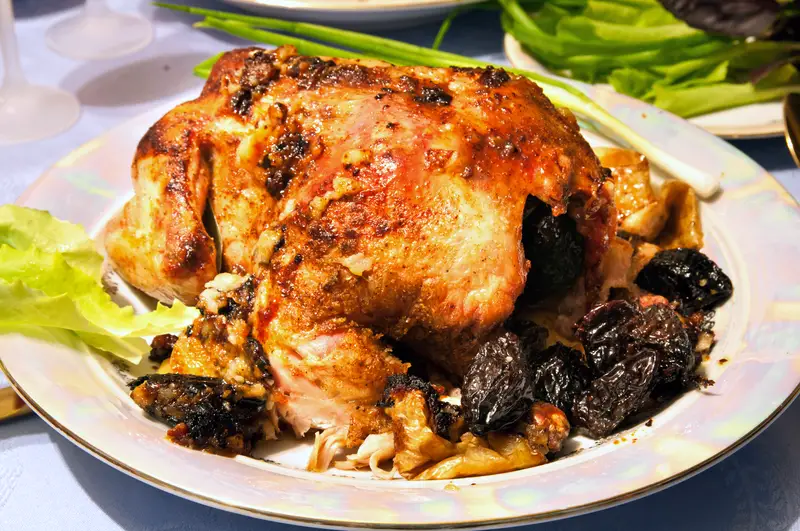
Meme’s Chicken Marbella
Course: DinnerCuisine: Mediterranean6
servings15
minutes1
hour10
minutes420
kcalThis family-perfected version of the classic Chicken Marbella combines sweet prunes, briny olives, and caramelized brown sugar for an unforgettable one-dish meal.
Ingredients
16 oz pitted prunes
19 oz pitted Castelvetrano olives, drained
½ cup capers, plus ¼ cup of their brine
½ cup olive oil
¾ cup red wine vinegar
1 cup white wine (or substitute with broth)
2 bay leaves
¼ cup dried oregano
2 tbsp garlic, thinly sliced
1½ cups brown sugar, divided and tightly packed
2½ tsp kosher salt
3 lbs boneless, skinless chicken thighs
Directions
- In a 9×13-inch baking dish, combine the prunes, drained olives, capers with their brine, olive oil, red wine vinegar, white wine, bay leaves, oregano, sliced garlic, 1 cup of the brown sugar, and kosher salt. Stir everything together until well mixed, making sure the brown sugar dissolves into the liquid ingredients.
- Nestle the chicken thighs into the marinade, turning each piece to coat completely with the liquid and ingredients. Make sure all pieces are well covered with the marinade mixture. Cover the dish tightly with plastic wrap or aluminum foil and refrigerate overnight, or up to 24 hours for maximum depth of taste.
- Remove the baking dish from the refrigerator and let it sit at room temperature for about 30 minutes before baking. This helps ensure even cooking throughout the dish. Meanwhile, preheat your oven to 350°F so it’s ready when the chicken has come to room temperature.
- Just before placing the dish in the oven, evenly sprinkle the remaining ½ cup of brown sugar over the top of the chicken and marinade. This will create a beautiful caramelized coating during baking. Don’t stir it in – just let it sit on top where it will melt and caramelize.
- Transfer the baking dish to the preheated oven and bake for 1 hour and 10 minutes, or until the chicken is completely tender and beautifully caramelized on top. The internal temperature should reach 165°F and the sauce should be bubbling around the edges.
- Remove from the oven and let the dish rest for 5-10 minutes before serving to allow the juices to settle. Serve over cheesy polenta, rice, or mashed potatoes to catch all the delicious sauce. Garnish with fresh herbs if desired.
Notes
- Castelvetrano olives are essential for the right taste – don’t substitute with kalamata or black olives as they will be too salty
- The dish can be assembled up to 24 hours ahead and refrigerated until ready to bake
- Leftovers reheat beautifully and many say it tastes even better the next day
- If you can’t find caper brine, substitute with an equal amount of white wine vinegar
- This recipe doubles easily for larger crowds – just use a larger baking dish or two 9×13 pans
Frequently asked questions
Q: Can I use chicken breasts instead of thighs?
A: Chicken thighs work much better for this recipe because they stay moist during the long baking time. Chicken breasts would likely dry out and become tough with the hour-plus cooking time this dish requires.
Q: What if I can’t find Castelvetrano olives?
A: Castelvetrano olives are really important for the right balance of taste – they’re much milder and less salty than other olives. If you absolutely can’t find them, try green olives stuffed with garlic, but reduce the salt in the recipe slightly.
Q: Can I make this without the prunes?
A: The prunes are essential to the dish – they break down during cooking and create the signature sweet-savory balance. If you really can’t use prunes, try dried apricots cut in half, but the taste will be different.
Q: How long will leftovers keep in the fridge?
A: Leftovers will keep for 3-4 days in the refrigerator and actually taste even better the next day. The dish also freezes well for up to 3 months, though the texture of the olives and prunes may change slightly.