

Mashed potatoes seem like one of the easiest things to cook. Boil some potatoes, mash them up, add butter, done. So why do they always taste so much better when a restaurant makes them? It turns out professional chefs follow a handful of simple rules that most home cooks skip right over. The good news is that none of these tricks require fancy equipment or a chef’s degree. A few small changes to how most people make mashed potatoes can close that gap in a big way.
The type of potato matters more than most think
Ever grab whatever potatoes are sitting in the pantry and toss them into a pot? Most of us have done that. But restaurant chefs are very picky about which potatoes they use. Not all potatoes are created equal when it comes to mashing. Some varieties turn out light and fluffy. Others turn into a sticky, gluey mess that no amount of butter can fix. The wrong potato can ruin the whole dish before the cooking even starts, which is a frustrating surprise when everything else seemed fine.
Russet potatoes are the go-to choice for most chefs because they have a high starch content. That starchiness is what creates that light, airy result. Yukon Golds are another solid pick because they bring a naturally buttery taste and a creamier feel. Some restaurants even combine the two for the best of both worlds. The one thing every chef agrees on is to stay away from waxy potatoes like red-skinned varieties. Those tend to get gummy and paste-like when mashed, no matter how carefully they are prepared.
Boiling potatoes with the skin on makes a difference
Most people peel their potatoes, chop them into small cubes, and drop them in boiling water. It seems like the logical thing to do. But this method lets the potato pieces soak up way too much water. That extra moisture makes the mash watery and bland. Restaurant chefs take a different approach. They keep the skins on during boiling, which acts like a protective barrier. The potato stays drier on the inside and holds on to more of its natural taste.
Once the potatoes are cooked through, the skins slip right off. It is surprisingly easy, even though it sounds tricky. As one professional chef put it, simmering potatoes with the skins on keeps them from getting waterlogged, so the taste stays concentrated. The result is a creamier, more full-bodied potato before any butter or cream is added. Another trick some chefs use is to cut the potatoes in halves instead of small pieces. Larger pieces have less surface area, so they absorb less water during cooking.
Salting the water is a step people skip
Here is something that almost everyone does when cooking pasta but somehow forgets when boiling potatoes. Salting the water is one of the simplest ways to build better taste from the very beginning. Potatoes absorb that salty water as they cook, which seasons them all the way through. If the salt only gets added at the end during mashing, the potatoes themselves will taste flat. The seasoning will just sit on the surface instead of being part of the whole bite.
Restaurant chefs are generous with the salt in their cooking water. Some experts say the water should taste obviously salty. That might feel like too much, but the potatoes will not absorb all of it. They will just pull in enough to taste properly seasoned. This one small habit is the difference between potatoes that taste rich and satisfying versus potatoes that taste like they are missing something. Add the salt once the water starts to boil, right before adding the potatoes.
Knowing when to pull them out of the water
Timing is everything with potatoes. Overcooked potatoes fall apart and turn mealy. Undercooked potatoes stay lumpy no matter how long they are mashed. Restaurants pay close attention to this because even a few extra minutes can change the final result. The easiest way to test is by poking a potato with a fork or a sharp knife. If the fork slides in easily but the potato does not crumble apart, it is ready. If the knife goes in and the potato slides right off, that is another sign they are done.
Undercooked potatoes are actually the harder problem to fix. No amount of mashing will smooth out a potato that was not cooked through. The lumps will stay no matter what. On the other hand, slightly overcooked potatoes absorb too much water and lose their structure. That makes the mash soggy and heavy. The sweet spot is somewhere in between, where the potatoes are tender all the way through but still hold their shape when lifted out of the pot. It takes a few tries to get the feel for it.
A potato ricer changes everything
Have most people even heard of a potato ricer? It looks like an oversized garlic press, and it is the single most important tool for getting smooth, lump-free mashed potatoes. Restaurants almost always use one. A ricer pushes cooked potatoes through tiny holes, breaking them into fine, rice-sized pieces. This creates a perfectly even consistency without overworking the starch. The result is potatoes that are light, airy, and ready to absorb butter and cream like a sponge.
The problem with hand mixers and regular mashers is that they force people to work the potatoes too much. The more potatoes get beaten and stirred, the more starch gets released. Too much starch turns mashed potatoes gummy and paste-like. A food mill is another great option that works the same way as a ricer. Whatever happens, avoid using a blender or food processor. Those machines are way too aggressive and will absolutely destroy the potatoes. A basic potato ricer costs around fifteen to twenty dollars and lasts for years.
Mash the potatoes while they are still hot
This sounds obvious, but it is a step that gets messed up all the time at home. When there are multiple dishes being prepared at once, the potatoes often sit in the colander cooling down while other things get attention. Cold or lukewarm potatoes do not mash as well. They become stiffer and harder to work with, which means more effort is needed. That extra effort leads to overworking the starch, and the whole thing turns gummy. Hot potatoes break down much more easily and smoothly.
There is also a practical reason to mash while the potatoes are hot. Steam escapes from hot potatoes as they are being mashed, which removes excess moisture. Less moisture means the potatoes can soak up more butter and cream later. If the potatoes still seem a bit too wet after mashing, put them back in the pot over medium-low heat. Stir them with a wooden spoon for a minute or two to dry them out. This is a common restaurant trick that makes a huge difference in how rich the final dish tastes.
Restaurants use way more butter than expected
Here is the secret nobody wants to hear but everybody needs to know. Restaurant mashed potatoes taste better because restaurants use a shocking amount of butter. Most home cooks add a tablespoon or two and call it done. Restaurants? They follow something closer to a two-to-one ratio of potatoes to butter. That means for every two pounds of potatoes, they are adding a full pound of butter. Yes, a pound. It sounds outrageous, but it is exactly what creates that silky, rich quality.
On top of that, restaurants are not afraid to add heavy cream, sour cream, or even cream cheese. Chef Dylan Gaydos says that butter is the cornerstone of that rich, velvety quality that makes restaurant mash so good. Many chefs also warm the butter and cream before adding it to the potatoes. Cold dairy lowers the temperature of the potatoes and makes everything harder to mix. Warm butter melts right in and blends smoothly. This is a small detail that has a big impact on the final result.
Brown butter adds a nutty depth
Regular butter is great. Brown butter is even better. Some chefs take their mashed potatoes to the next level by browning the butter before adding it. Brown butter has a warm, nutty taste that regular butter simply does not have. It happens when the milk solids in butter cook just long enough to turn golden. The transformation takes only a few minutes but changes the character of the whole dish. Even Martha Stewart uses brown butter in her mashed potato recipe.
Making brown butter is easy but requires attention. Melt butter in a saucepan over medium heat and keep watching it closely. It will foam, then start to turn golden brown. The moment it smells toasty and looks amber in color, take it off the heat. Walk away for even thirty seconds too long and it burns, which makes it bitter and unusable. For about three pounds of potatoes, roughly a stick and a half of butter browned in a pan is a good starting point. Mix it with some heavy cream before folding it into the mashed potatoes.
Garlic and herbs make a huge upgrade
Plain mashed potatoes are good, but restaurants often sneak in a little something extra. Garlic is one of the most popular additions, and it does not take much to notice the difference. Some chefs mince fresh garlic and warm it in butter and milk before mixing it into the potatoes. Others boil whole garlic cloves right alongside the potatoes so they soften and mash right in. Either way, the garlic blends into the dish without leaving big chunks behind.
Fresh herbs are another easy way to make mashed potatoes taste more interesting. Rosemary, thyme, and chives all work well. A simple method is to add fresh rosemary sprigs to the butter and milk as they warm up, then remove the stems before adding the liquid to the potatoes. The herbs leave their taste behind without any woody bits. Roasted garlic is another option that adds a sweeter, mellower character compared to raw garlic. Fold in some scallions, cheddar cheese, or a dollop of sour cream for even more variety.
Making mashed potatoes that rival restaurant quality really comes down to a handful of simple habits. Pick the right potatoes, keep the skins on during boiling, salt the water, do not overcook, use a ricer, mash them hot, and stop holding back on the butter. None of these steps are complicated or expensive. Once these tricks become second nature, it is hard to go back to the old way. The next batch of mashed potatoes might just be the best one yet.
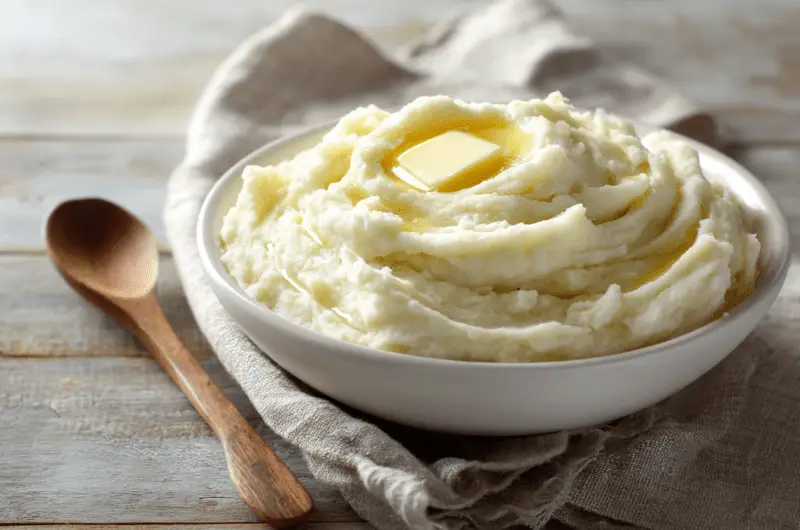
Restaurant-Style Creamy Mashed Potatoes
Course: Side DishCuisine: American6
servings10
minutes30
minutes380
kcalUltra-creamy, buttery mashed potatoes that taste just like the ones from your favorite restaurant, made right in your own kitchen.
Ingredients
3 pounds Russet or Yukon Gold potatoes (or a mix of both)
1 cup (2 sticks) unsalted butter, cut into pieces
1 cup heavy cream
½ cup whole milk
2 tablespoons kosher salt (for the boiling water)
1½ teaspoons fine sea salt (for seasoning the mash)
½ teaspoon freshly ground black pepper
3 cloves garlic, peeled (optional)
2 tablespoons fresh chives, finely chopped (for garnish)
Directions
- Place the whole, unpeeled potatoes in a large pot and cover them with cold water by about two inches. Add 2 tablespoons of kosher salt and the optional garlic cloves to the water. Starting with cold water ensures the potatoes cook evenly all the way through.
- Bring the water to a boil over high heat, then reduce to a steady simmer. Cook for 25 to 35 minutes, depending on the size of the potatoes. They are done when a sharp knife slides into the center and the potato slips off the blade easily without crumbling apart.
- While the potatoes cook, warm the butter, heavy cream, and whole milk together in a small saucepan over medium-low heat until the butter is fully melted. Do not let it boil. Keep it warm until ready to use, as adding cold dairy to hot potatoes will cool them down and make mixing harder.
- Drain the potatoes and garlic cloves immediately. Let them sit in the colander for about one minute to allow excess steam to escape. While they are still very hot, use a towel or your fingers to peel off the skins, which should slip right off.
- Pass the hot peeled potatoes and garlic cloves through a potato ricer or food mill back into the warm, dry pot. Work quickly while the potatoes are still steaming. This step creates a smooth, even consistency without overworking the starch.
- If the riced potatoes still seem a little wet, place the pot over medium-low heat and stir gently with a wooden spoon for one to two minutes to dry them out. This extra step makes room for the potatoes to absorb more of the butter and cream mixture.
- Pour the warm butter and cream mixture into the riced potatoes in three additions, folding gently with a wooden spoon or spatula after each pour. Do not stir aggressively or beat the potatoes. Gentle folding keeps everything light and prevents a gummy result.
- Add the fine sea salt and black pepper, then taste and adjust the seasoning as needed. Serve immediately in a warm bowl, topped with a small pat of butter and chopped fresh chives. If not serving right away, cover the pot and keep warm over the lowest heat setting, stirring occasionally.
Notes
- For an even richer result, try browning the butter in the saucepan until it turns golden and smells nutty before combining it with the cream and milk.
- If you do not have a potato ricer, a food mill with a fine disc works just as well. Avoid using a blender or food processor, as they will make the potatoes gummy.
- Leftover mashed potatoes can be stored in an airtight container in the refrigerator for up to 3 days. Reheat gently on the stove with a splash of milk and a pat of butter to bring back the creamy consistency.
- Feel free to fold in roasted garlic, shredded cheddar, sour cream, or caramelized onions for a fun twist on the classic recipe.
Frequently Asked Questions
Q: Can I use red potatoes for mashed potatoes?
A: Red potatoes are waxy, which means they tend to turn gummy and paste-like when mashed. Russet and Yukon Gold potatoes are much better choices because their higher starch content creates a lighter, fluffier result that absorbs butter and cream more easily.
Q: Do I really need a potato ricer?
A: A potato ricer is the best tool for getting smooth, lump-free mashed potatoes without overworking the starch. If you do not have one, a food mill works well too. A regular hand masher is fine for a chunkier, more rustic style. Just avoid blenders and food processors, which will make the potatoes gluey.
Q: Why should I warm the butter and cream before adding them?
A: Adding cold butter and cream lowers the temperature of the hot potatoes, which makes them stiffen up and become harder to mix. Warming the dairy beforehand allows it to blend smoothly and evenly into the potatoes, creating a much creamier and silkier final dish.
Q: How much butter do restaurants actually use in mashed potatoes?
A: Many restaurants follow roughly a two-to-one ratio of potatoes to butter. That means for every two pounds of potatoes, they add about one pound (four sticks) of butter. Most home cooks use far less, which is a big reason restaurant mashed potatoes taste so much richer.